Centuries of History
The Vista Blue is in the heart of Rappahannock County Virginia where there is evidence of hunters and gatherers from around 10,000 BC. The area was more formally settled by the Rappahannock Native American Tribes (part of the Iroquois and Manahoac peoples). When America was a British colony, Northern Virginia (5.2 million acres) was given to Lord Culpepper by King Charles II in 1649. In 1719, Thomas Fairfax (6th Lord Fairfax) inherited the land from his father-in-law, Culpeper. In 1749, a young George Washington surveyed and planned a town, which was established and later named Washington, VA in 1796 (well before Washington, D.C. was established).
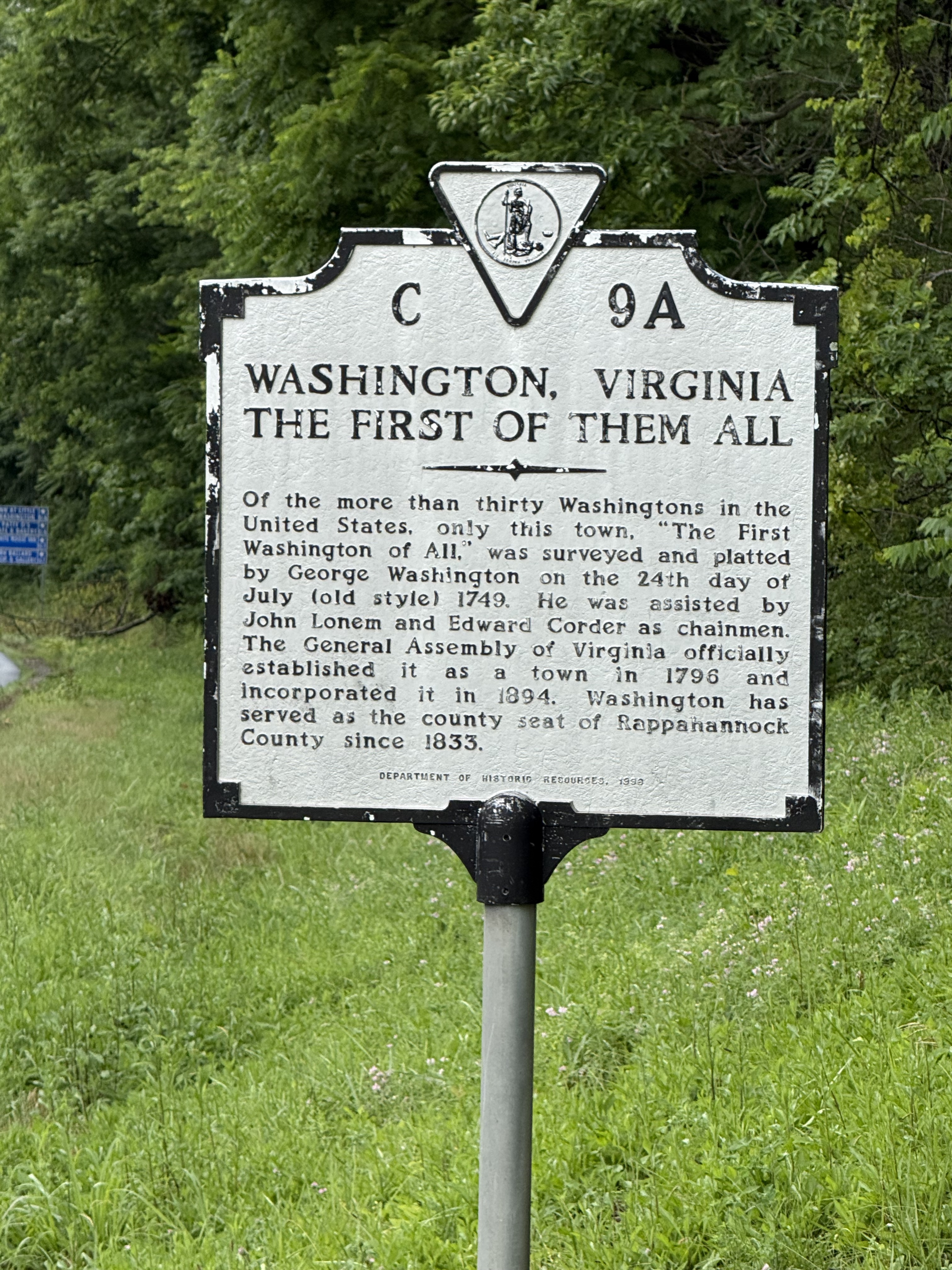
Following the Revolutionary War, the land was seized by the state in 1779 after the colonial rule. After a prolonged dispute regarding the ownership rights and taxes, the land was rightfully returned to the state of Virginia. In 1820, the Fletcher family purchased a large track of land (much of the county). One of the sons, John Thomas Fletcher built “Jessamine Hill Farm” and he also served in the VA house of representatives. During the Civil War, Union General Nathaniel Banks' 2nd Corps camped along the Rush River in Washington, VA during the summer following the battle in Shenandoah Valley. The Fletcher family owned the farm for more than 100 years (the original farmhouse has been restored and is about a half mile behind our house and down the hill). Some local residents still refer to our location as the Jessamine Hill Farm area.
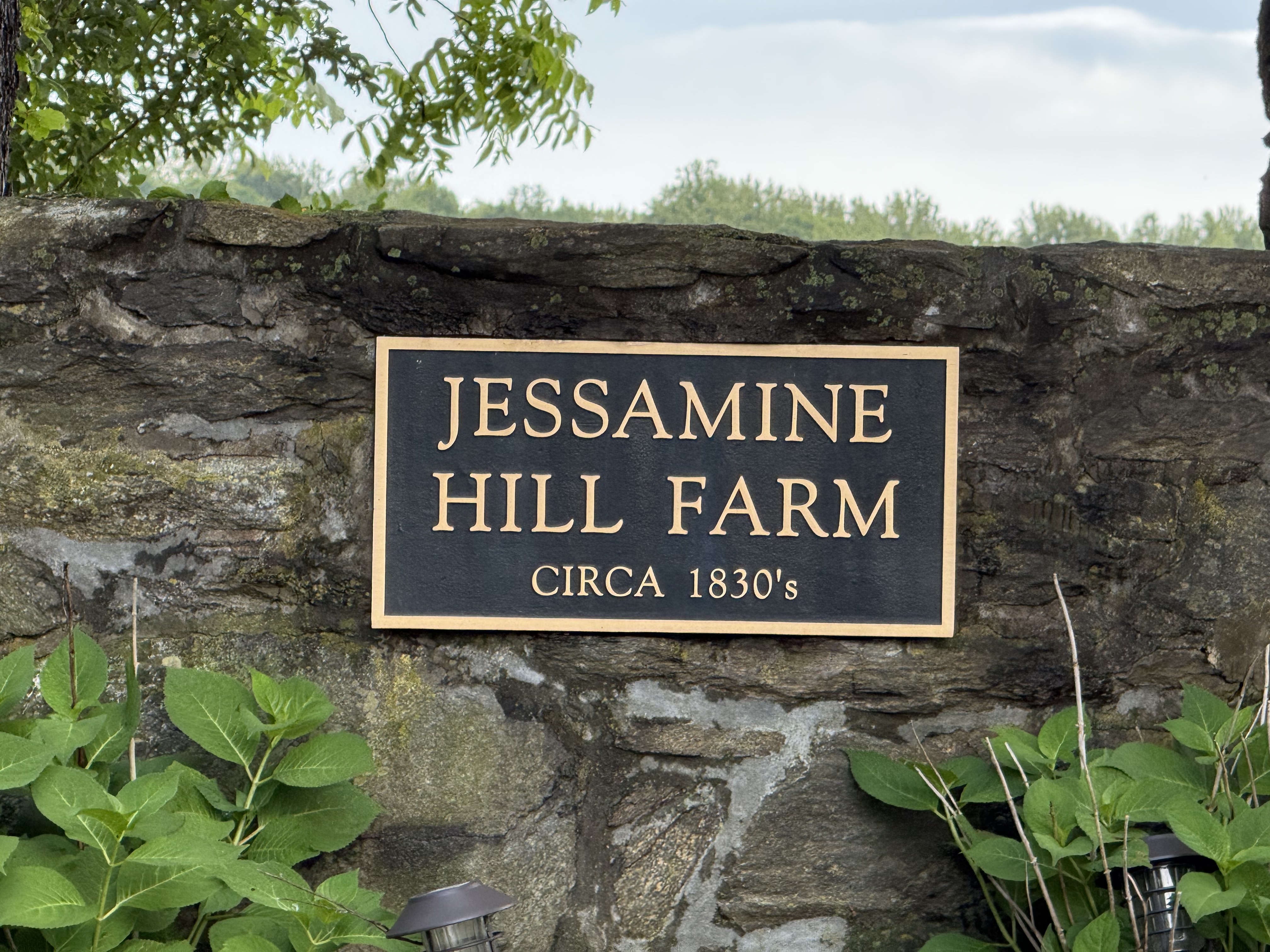
In 1940, Edwin Warner purchased the farm and updated the 1840 house and property with modern conveniences (water and electricity). In the 1950's Charles Edward Marsh purchased the farm and used it to start the US Public Welfare Foundation (now located in D.C.). Then in 1962, Oscar Lindgren, a Swedish theatrical producer from Los Angeles, purchased the 2600-acre farm and divided it into smaller properties for development over several years. One parcel of the former Jessamine Hill Farm eventually sold in 1989 to be developed as a summer estate and became known as The Vista Blue.
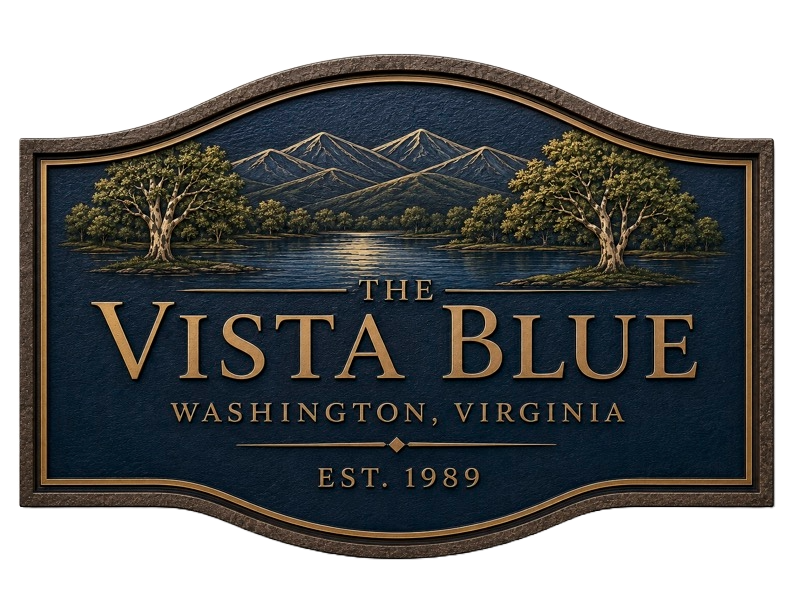
We chose to keep the name "The Vista Blue” out of respect of those who came before us who named this land. In Chinese culture, re-naming a place is a sensitive act that is not consistent with Feng Shui (balance of energy, flow, and experience). We created an image that is represented by this place: 1) Sycamore Trees, known as the tree of life offering strength and growth; 2) Mountains, highlighted for providing shelter, nutrients, and a promise for the future; 3) Water, flowing from the mountains with a call to nature of all types to gather and enjoy.